





Natural Joint Support Supplements for Adults: What Works

Last Updated: November 21, 2026
Quick Summary
Natural joint support supplements for adults have mixed evidence, so judge each product by what has been studied rather than what is claimed. Curcumin, Boswellia and omega-3s have the most consistent signals, but results vary by person and product form.
- Check that the active ingredient is named with an amount, not hidden in a proprietary blend.
- A 2025 comparative analysis reported a significant stiffness improvement with Boswellia (mean difference 9.47; p < 0.05).
- Supplements can interact with blood thinners and diabetes medications, so check with a clinician first.
- Give one product a fair trial and track morning stiffness, walking distance and pain after activity.
- Joint pain that is severe, persistent or swollen should be assessed by a doctor, not managed with supplements alone.
Table of Contents
- How Natural Joint Support Supplements Are Evaluated
- Which Natural Ingredients Have the Strongest Evidence
- Choosing a Joint Supplement for Knee Pain
- Supplements for Osteoarthritis Pain: What the Research Shows
- Comparing Options and Budgets: Which Joint Supplement Is Strongest?
- Safety, Medications and Product Quality Checks
- Starting a Joint Support Routine and Knowing When to Reassess
- Frequently Asked Questions
How Natural Joint Support Supplements Are Evaluated
Natural joint support supplements for adults are easy to buy and hard to judge, because a bottle label rarely tells you whether the ingredient has been tested in people with joint pain. The research we have is mixed. A 2026 review in Current Rheumatology Reports gives vitamin D the most promise among the vitamins it covers, citing proposed anti-inflammatory and cartilage-protective mechanisms, but it reports no numerical effect size or study population. Start there when judging any product: separate what has been studied from what has only been claimed. For a side-by-side look at ten natural options, see ten natural joint supplements compared.
At Nourishing World, we look at the ingredient's clean-label profile, the sourcing practices behind it, and how the manufacturer handles quality. Those criteria don't prove a supplement works, but they help you avoid products with unknown origins or inferior ingredients, which is a common problem in this category.
Use a simple checklist before you buy:
- Ingredient form and dose: Is the active ingredient named, with an amount, rather than hidden in a proprietary blend?
- Evidence: Has the ingredient been studied for joint outcomes, and in what kind of study?
- Manufacturer practices: Can you find out who makes the product and how it is sourced?
- Business basics: Check the return policy, shipping practices and how long the seller has operated.
Which Natural Ingredients Have the Strongest Evidence
No ingredient has settled the question, but some have more research behind them than others. The most useful evidence comes from studies that measure joint outcomes directly and compare results against a control. To compare claims without implying that all supplements work equally well, grade each ingredient on three axes: the outcome studied (pain, function, or structural change), the study design (randomized controlled trial, meta-analysis, or preliminary report), and the consistency of results across studies.
A 2025 comparative-effectiveness analysis of nutritional supplements reported a statistically significant improvement in stiffness for Boswellia (mean difference 9.47; p < 0.05). The same analysis found benefits for some outcomes with curcumin, collagen, ginger and krill oil. It also reported that none of the supplements was associated with increased adverse events. Those results are encouraging, but the analysis does not give sample sizes for every comparison, so treat them as a starting point rather than a guarantee.
A practical way to read the evidence is to separate what each ingredient has been studied for:
- Pain relief: Curcumin, Boswellia, and omega-3s have the most consistent signals in randomized trials, though effect sizes vary by population and product form.
- Function and stiffness: Boswellia shows the clearest stiffness signal in the comparative analysis above; collagen and curcumin have been examined for function in smaller trials.
- Structural effects: Glucosamine and chondroitin have been studied for cartilage changes, but results are inconsistent and should not be assumed to apply to all joint problems.
- Preliminary leads: Fibre and prebiotic supplements are early-stage; a University of Nottingham report describes a prebiotic fibre supplement that reduced pain and improved grip strength in people with knee osteoarthritis, but the release does not give sample sizes or effect sizes.
Curcumin and Boswellia
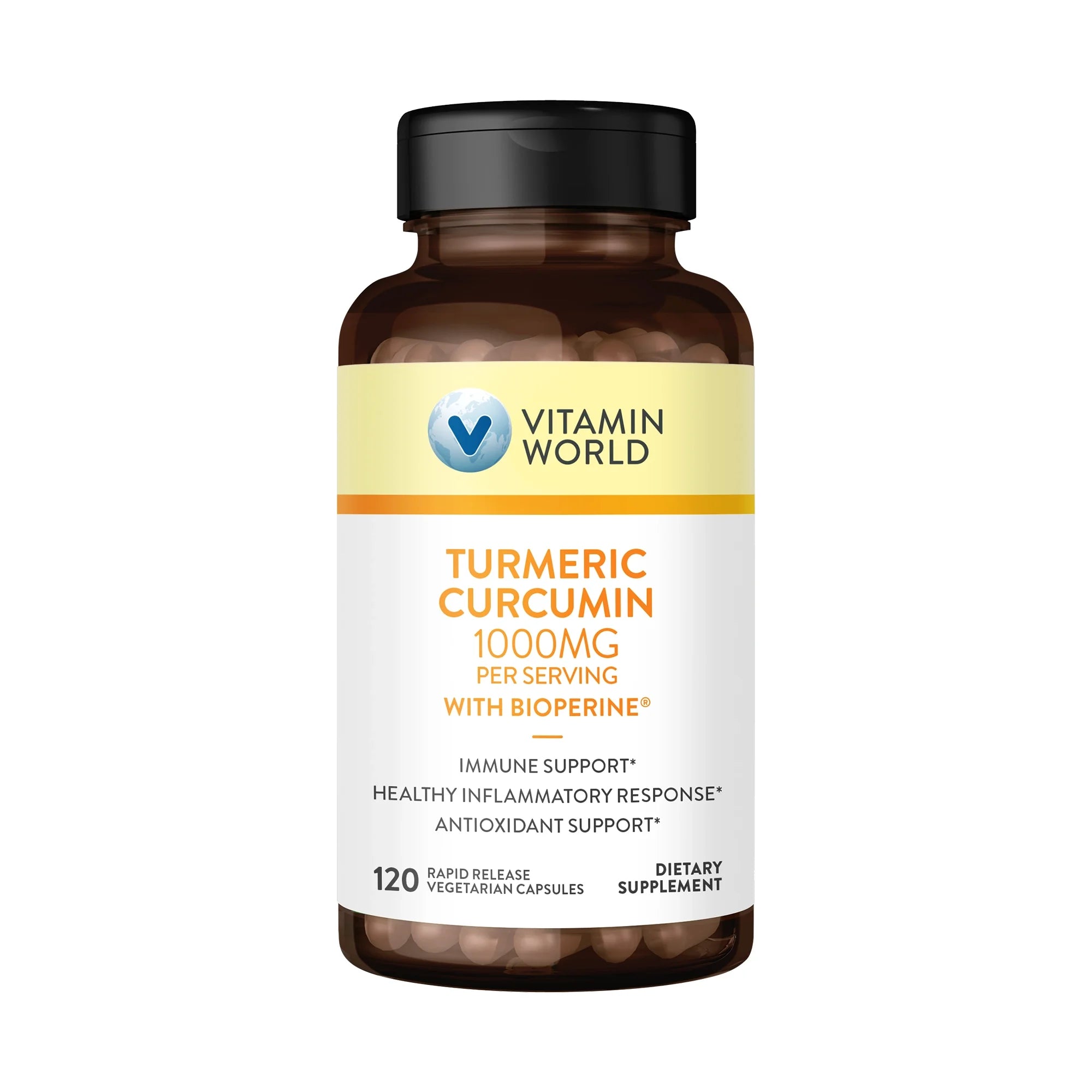
Curcumin, the main active compound in turmeric, is one of the most widely discussed joint ingredients. Turmeric is poorly absorbed on its own, which is why many formulas pair it with black pepper extract. The Vitamin World Turmeric Curcumin with Bioperine is built on that pairing, with BioPerine included to support absorption.
Boswellia has the strongest stiffness signal in the comparative analysis above. Its role in joint support is still under study, so it is worth reading the evidence yourself rather than relying on marketing. When comparing products, look for a standardized extract and a stated amount of the active boswellic acids rather than a proprietary blend.
Collagen, Omega-3s and Fibre
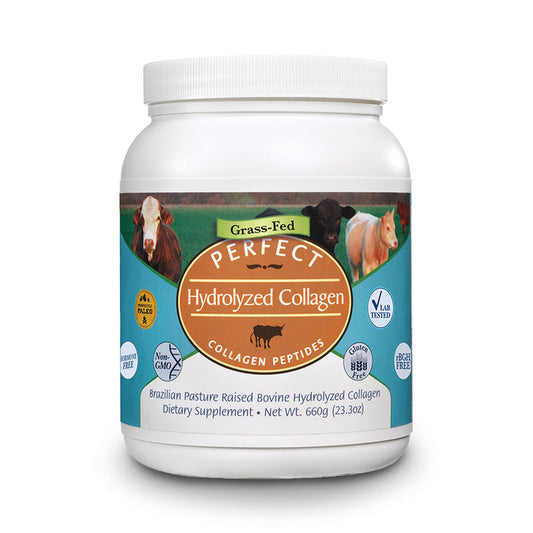
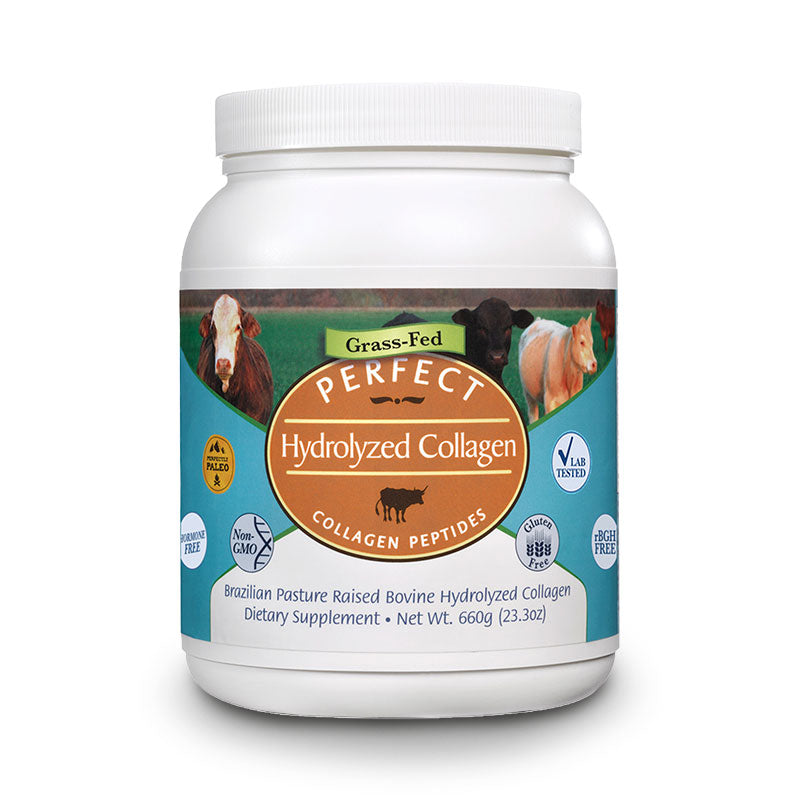
Collagen is a common choice for joint support, and it is the protein that makes up much of cartilage. Our Perfect Hydrolyzed Collagen is a grass-fed option, and the Nxgen Grass Fed Type II Collagen targets the type II form most relevant to cartilage.
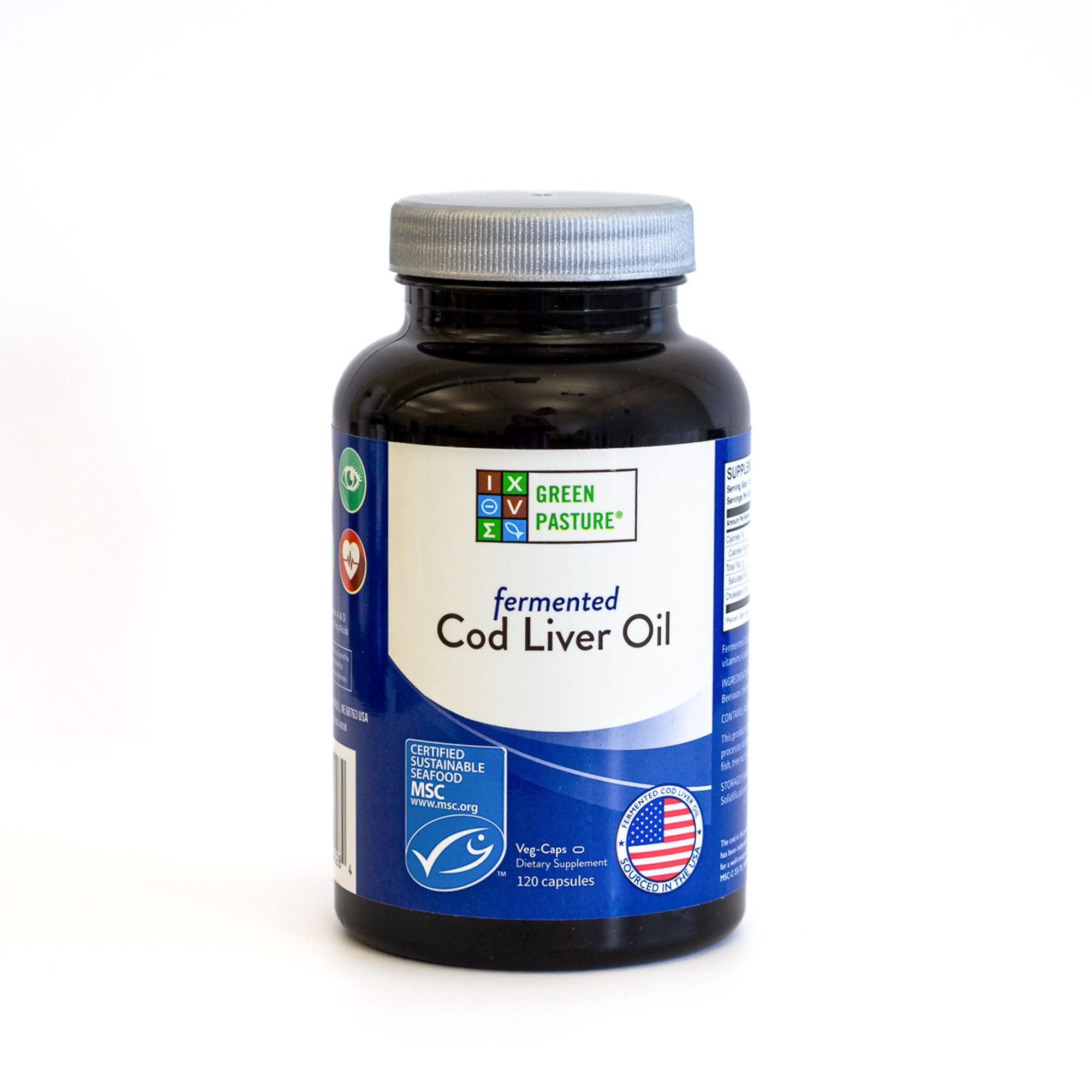
Omega-3s are another frequently recommended ingredient. Green Pasture Fermented Cod Liver Oil Capsules are one way to add them to your routine.
Fibre is the newest area. A University of Nottingham report describes a prebiotic fibre supplement that reduced pain, improved grip strength and lowered pain sensitivity in people with knee osteoarthritis, according to the university's own news release. The release does not give sample sizes or effect sizes, so this is an interesting lead rather than settled evidence.
A single positive study, especially one reported through a press release, is not the same as a body of consistent evidence. Check whether the ingredient has been studied in more than one trial and in people whose symptoms match yours.
Choosing a Joint Supplement for Knee Pain
Knee pain has many causes, and the right supplement depends on what is driving it. Osteoarthritis, a previous injury and general stiffness after activity may each call for a different approach, so start by asking what your symptoms look like and when they flare.

Once you know the pattern, narrow your choices to ingredients with the best fit. Curcumin and Boswellia have been examined for stiffness and pain, while collagen is often chosen for general joint comfort. Match the ingredient to the symptom rather than buying a broad "joint formula" and hoping it covers everything.
Supplements for Osteoarthritis Pain: What the Research Shows
Osteoarthritis is the condition most people have in mind when they search for joint supplements, and the evidence here is the most cautious. The U.S. Department of Veterans Affairs notes that research has not consistently shown joint-health supplements improve pain, a point worth keeping in mind before you spend money on any product.
A 2018 review reported that plant extracts including curcumin, Boswellia and pycnogenol had shown effect sizes for reducing pain. The review did not provide effect-size values or sample sizes in the material we reviewed, so read the original paper before relying on those numbers. The Arthritis Foundation also cautions that "natural" does not mean safe, and that supplements are regulated differently from prescription and over-the-counter medicines. Its guide on choosing supplements wisely is a useful companion to any product decision.
Evidence should be read by joint and cause, not as a single verdict. Osteoarthritis of the knee has the most supplement research, followed by hip and hand osteoarthritis; general soreness after activity and sports-related joint pain are different problems and may not respond the same way. A supplement studied for knee osteoarthritis should not be assumed to work for shoulder pain or for pain caused by an old injury.
Safety also depends on the person, not just the ingredient. A concise safety matrix helps frame the conversation with a clinician:
- Anticoagulants and antiplatelets (for example, warfarin, apixaban, clopidogrel): Omega-3s, curcumin, Boswellia, and ginger may affect bleeding risk; check before combining.
- Diabetes medications: Some supplements can affect blood sugar; monitor if you add one.
- Pregnancy and breastfeeding: Most joint supplements lack adequate safety data; avoid unless a clinician approves.
- Allergies: Collagen and fish oil sources can trigger reactions in people with relevant allergies; read allergen statements.
- Kidney or liver conditions: High-dose or long-term use of some ingredients may need medical supervision.
Watch out: A supplement that is safe for a friend may not be safe for you if you take prescription medication or have a chronic condition. Bring your full medication list to a pharmacist or doctor before starting.
Comparing Options and Budgets: Which Joint Supplement Is Strongest?
There is no single strongest supplement, because the right choice depends on the ingredient, the form and what you're trying to improve. A simple way to compare options is to set them side by side on the factors that matter most.
| Option | Main ingredient | Best for | Price |
|---|---|---|---|
| Turmeric Curcumin with BioPerine | Curcumin plus black pepper extract | Stiffness and general joint comfort | $29.99 |
| Hydrolyzed Collagen | Grass-fed collagen peptides | Joint, skin and gut support | $42.95 |
| Collagen Peptides with Hyaluronic Acid & Ceramides | Collagen, hyaluronic acid, ceramides | Joint and skin support together | $47.99 |
| Bovine Gelatin | Grass-fed collagen gelatin | Joint and gut support, cooking | $36.95 |
Price
The turmeric curcumin product has the lowest price in this list and a clear ingredient focus. The collagen peptides with hyaluronic acid cost more but also support skin. Cost alone shouldn't decide the question: a cheaper product with an unclear ingredient list is worse value than a clearly labelled one that matches your symptoms.
Safety, Medications and Product Quality Checks
Supplements can interact with medicines and may not suit every health condition, so check with a healthcare professional before starting one, particularly if you take blood thinners or other regular medication (Herbal remedies and dietary supplements - Overview). The comparative analysis reported no increase in adverse events, but that does not mean every person will tolerate every product.
Read labels closely. Look for the exact ingredient name, the dose per serving and any allergen information. Check whether the product has third-party testing and whether the manufacturer's sourcing is clearly stated. If a label is vague about where ingredients come from, that is a reason to look elsewhere.
Starting a Joint Support Routine and Knowing When to Reassess
Begin with one product at a time, so you can tell whether it is making a difference. Give it a fair trial, which many people set at several weeks, and track your symptoms in a simple notebook: how stiff you feel in the morning, how far you can walk, and how much pain you have after activity.
Reassess if your symptoms don't change, if they get worse, or if you start a new medication. Joint pain that is severe, persistent or accompanied by swelling should be looked at by a doctor rather than managed with supplements alone. Used sensibly, a supplement can be one part of a routine that also includes movement and a healthy diet, not a replacement for either.
Frequently Asked Questions
What is the most effective natural supplement for joint health?
No single natural supplement works for everyone, and evidence varies by ingredient. Boswellia showed a statistically significant improvement in stiffness in a 2025 comparative-effectiveness analysis (mean difference 9.47; p < 0.05), and curcumin, collagen, ginger and krill oil showed benefits for some outcomes. The same analysis reported no increase in adverse events for any supplement studied. The U.S. Department of Veterans Affairs notes that research has not consistently shown joint supplements improve pain, so set realistic expectations and discuss options with a clinician before starting.
How long does it take for joint supplements to work?
The research supplied for this article does not give a reliable timeline for most ingredients, so treat any promised timeline with caution. A sensible approach is to take a chosen product consistently for a defined period, commonly several weeks to a few months, and then reassess whether stiffness, pain or mobility has changed. If there is no meaningful difference, stop or switch rather than increasing the dose. Track symptoms in a simple diary so the comparison is based on your own experience.
Are natural joint supplements safe to take with medications?
Natural does not automatically mean safe. The Arthritis Foundation cautions that supplements are not regulated like prescription or over-the-counter medicines, so safety depends on the product and on your health. Some ingredients can interact with blood thinners, anti-inflammatory drugs or other prescriptions, and people with allergies, particularly to shellfish, should read labels carefully. Check any supplement with your doctor or pharmacist before combining it with medication.
What should adults look for when choosing a joint supplement?
Start with the ingredient and its evidence rather than marketing claims. Check the dose per serving, the ingredient form, and whether the label lists third-party testing. Review the seller's return policy and shipping practices, and confirm the business has been trading long enough to be reliable. At Nourishing World, we select products for clean labels and pure ingredients, and our staff are trained on the products they sell, so ask questions before you buy.
